
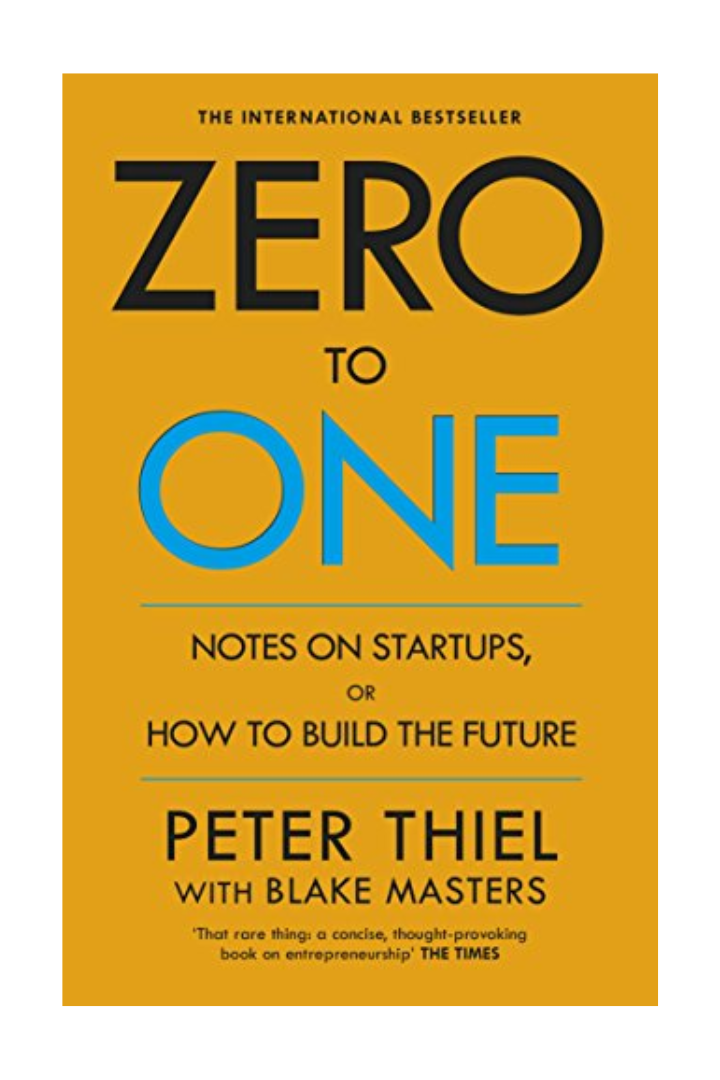
Summary
Zero to One argues that progress comes from creating truly new ideas (“zero to one”) rather than copying existing models. Peter Thiel emphasizes monopoly power, contrarian thinking, strong founding teams, long-term vision and deliberate innovation. The book urges entrepreneurs to build unique, defensible companies that transform the future instead of competing in crowded markets.
Ratings
Quote
You should focus relentlessly on something you’re good at doing, but before that you must think hard about whether it will be valuable in the future.
Learnings
- Build something truly new (go from 0 → 1): Real progress comes from creating products or ideas that didn’t exist before
- Monopolies enable innovation: Thiel argues that great companies aim to become monopolies by offering unique value that competitors can’t match.
- Start with a niche and dominate it: Successful companies begin by owning a small market, then expand outward from that strong base.
Review
Zero to One profoundly sharpened my view of innovation. Thiel’s focus on creating the truly new—rather than competing in crowded markets—feels both empowering and practical. The book challenges assumptions, inspires bold thinking and delivers crisp insights that stick. For me, it’s one of the most motivating entrepreneurship books ever written.
Audience
- Startup Founders & Entrepreneurs: The book is essentially a manifesto for building something new rather than copying existing ideas.
- Tech Professionals: Developers, product managers and innovators benefit from Thiel’s thinking on how to create breakthrough products.
- Investors & Venture Capitalists: Investors use the book’s principles to evaluate startups, focusing on monopoly potential and founder quality.